The Brilliance
That is Lab-made

JEWELLERY GUIDE

The Brilliance
That is Lab-made

JEWELLERY GUIDE

Know your gold

The highest purity of gold is 24 karat and hence it is considered to be 100% pure. The 24-karat gold needed to make jewellery is too soft, and therefore it is purposely made less pure in order to be strong enough to support other minerals like diamonds, minerals, and rubies. For the metal component (in most cases gold) – the value of the gold is calculated by multiplying the rate of gold on a particular date, the purity of the gold and the weight of the item that has been made.
HALLMARKING
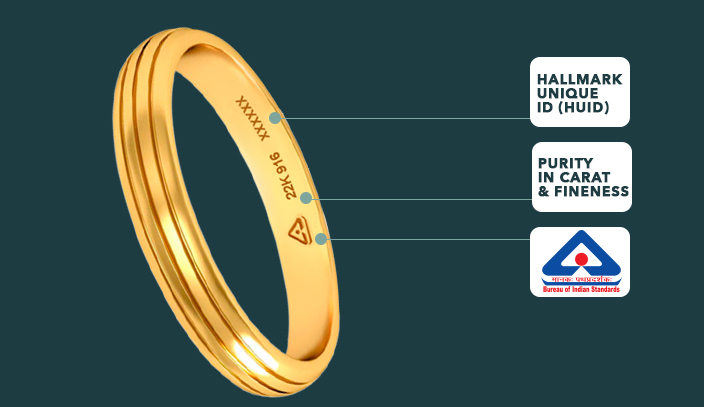
Hallmarking is the process of verifying the purity and quality of precious metals such as gold. A hallmark is an official mark or series of marks made on gold items to certify their purity and quality. And provide important information about the gold, including its purity, measured in terms of carats or fineness. They also indicate the manufacturer’s mark or registered trademark, as well as the hallmarking authority responsible for certifying the piece. This provides a degree of assurance that the item is made of genuine gold and meets certain quality standards.

Gold colours

Diamond settings

ENHANCE YOUR DIAMOND’S BRILLIANCE
Diamond settings refer to the way a diamond is held in place on a piece of jewellery. There are several types of diamond settings, each with its own unique style, and benefits.
Preloader
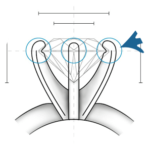
  • PRONG SETTING

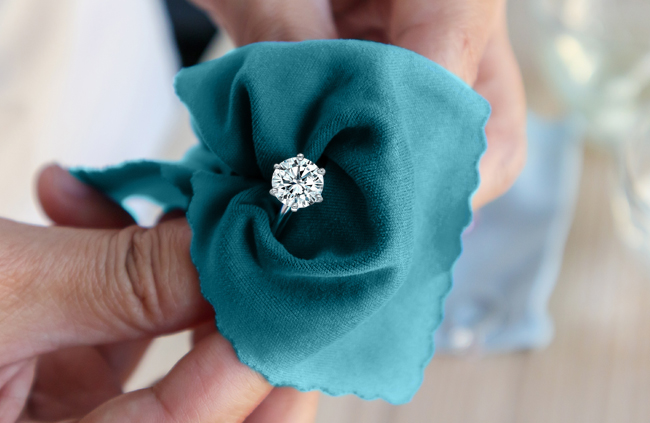
    This is the most common type of diamond setting and is also known as a claw setting. In this setting, the diamond is held in place by a series of prongs that wrap around the stone. This setting allows for maximum light to pass through the diamond, enhancing its brilliance and fire.

  • HALO SETTING

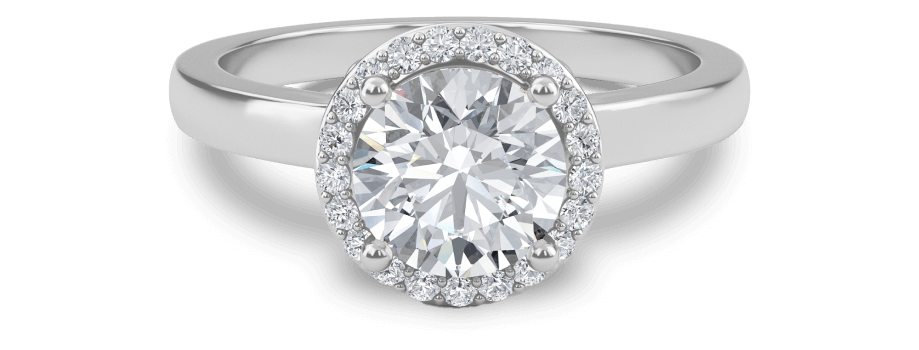
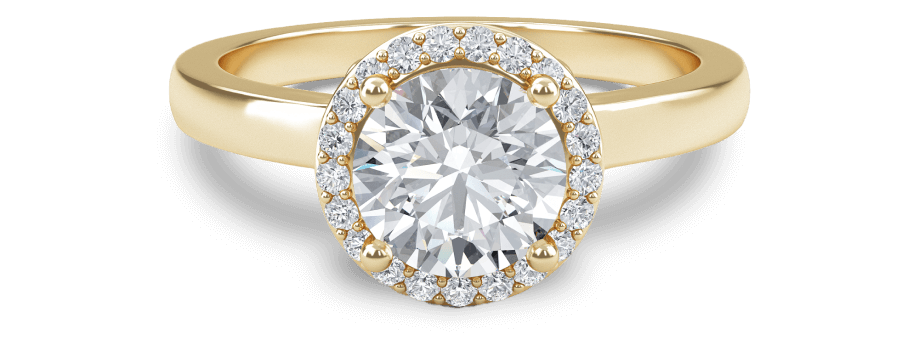
    In a halo setting, a centre diamond is surrounded by a ring of smaller diamonds, creating a halo effect. This type of setting can make the centre diamond appear larger and more substantial, and can also provide additional sparkle and brilliance. The smaller diamonds surrounding the centre stone can also provide extra protection and help to hold the centre stone in place.

  • CHANNEL SETTING

    In a channel setting, the diamonds are set into a channel cut into the metal of the jewellery piece, creating a row of diamonds that appear to be floating. This type of setting provides a modern look, and the diamonds are held securely in place.

  • BEZEL SETTING

    In a bezel setting, the diamond is surrounded by a thin metal rim that holds it in place. This type of setting provides more protection for the diamond and can also make the stone appear larger. However, the metal rim can obscure some of the diamond’s facets and reduce its sparkle.
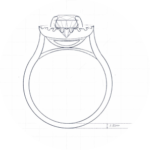
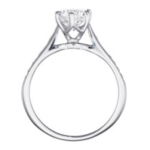
  • CATHEDRAL SETTING

    In Cathedral setting, the two sides arch to the top of the diamond. It looks like the shape of cathedral building. There is also a bar that connects across the cathedral arches. The ring had usually comes up from the bar. The arches create triangle gaps that lead up to the diamond. Cathedral engagement rings elevate the look of the centre diamond by offering to arches that rise up on either side of the stone. The cathedral setting is more about the structure of the ring design, not about how the centre Diamond is set.

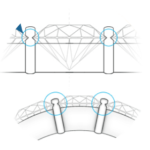
  • BAR SETTING

    In a bar setting, small diamonds are held in place by thin metal bars that run between each diamond, creating a row of diamonds with minimal metal visible. This type of setting provides a sleek and modern look and allows for maximum light to pass through the diamonds, enhancing their brilliance and sparkle. Bar settings are also quite secure, as the metal bars hold the diamonds firmly in place.

  • PAVE SETTING

    In a pave setting, small diamonds are set closely together in a pattern that covers the surface of the jewellery piece, creating a glittering effect. This type of setting can create a lot of sparkles and can make the piece appear more substantial.

  • TENSION SETTING

    In a tension setting, the diamond is held in place by pressure from the sides of the jewellery piece, creating the illusion that the diamond is floating. This type of setting allows maximum light to pass through the diamond.

Cleaning & care

DISCOVER ESSENTIAL TIPS FOR YOUR DIAMOND
Gold jewellery is a popular choice for its beauty, durability, and versatility. However, over time, gold jewellery can become dull or tarnished due to exposure to air, moisture, and oils from the skin. Proper cleaning and care can help keep gold jewellery looking its best for years to come.

Here are some tips for cleaning and caring for gold jewellery:

Store gold jewellery separately: To prevent scratches and damage, store gold jewellery separately in a soft cloth or jewellery box.

Clean regularly: Gold jewellery should be cleaned regularly to remove dirt, oils, and other build-ups. Avoid harsh chemicals: Gold jewellery should not be exposed to harsh chemicals, such as chlorine or bleach. Remove gold jewellery before swimming, bathing, or cleaning with chemicals.

Professional cleaning: For more thorough cleaning or to remove stubborn tarnish or discolouration, consider having your gold jewellery professionally cleaned by a jeweller.

Regular maintenance: Regular maintenance of gold jewellery can help keep it looking its best.